"So, where is Japan, anyway? Straight ahead, without turning. All the way to the end of the world."
— Alessandro Baricco, "Silk"
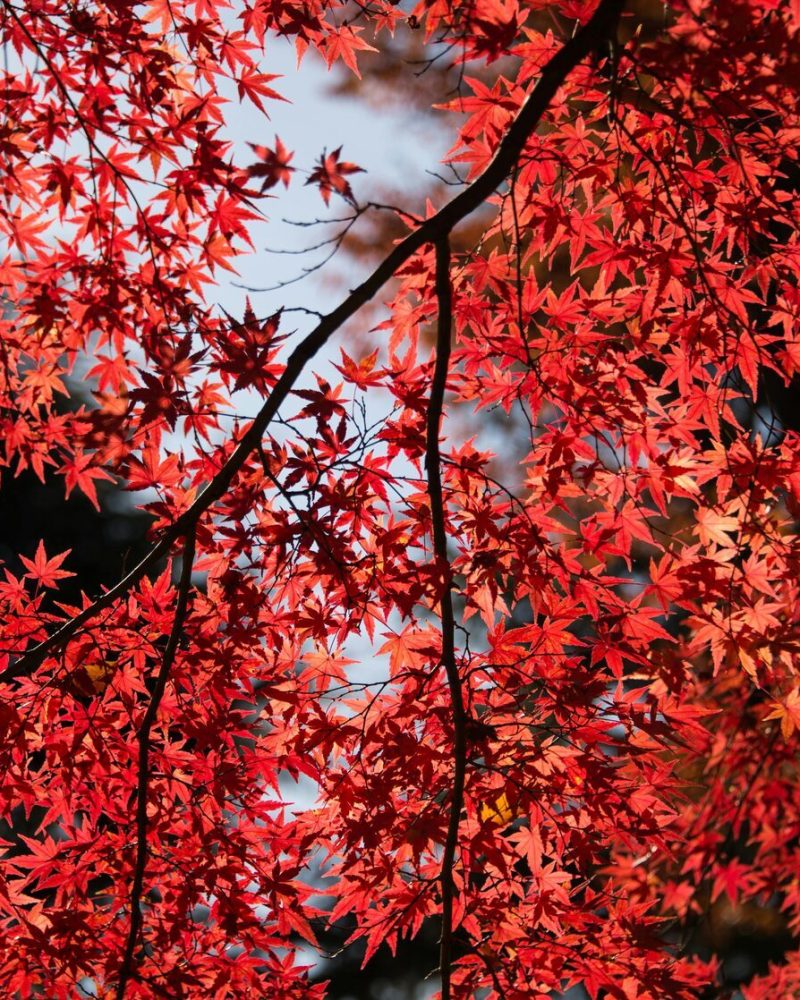
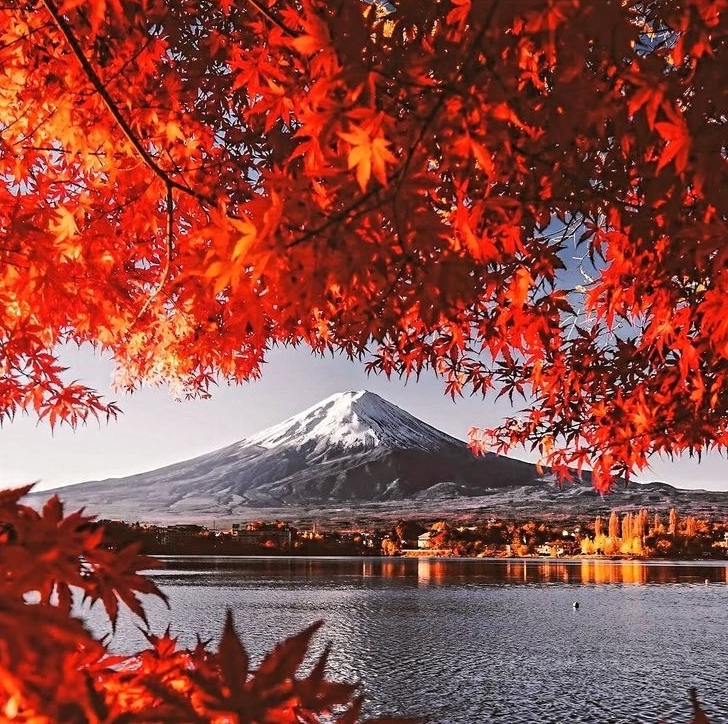
"Momiji" means red leaves — the bright, deep dark red of the maples whose colours, combined with yellows, oranges and golden browns, paint Japan's autumn in whimsical natural fires. We stay and travel across three locations: majestic Tokyo, the hot springs and Mount Fuji landscapes of Hakone, and Kyoto — for centuries Japan's main political, cultural and religious centre.
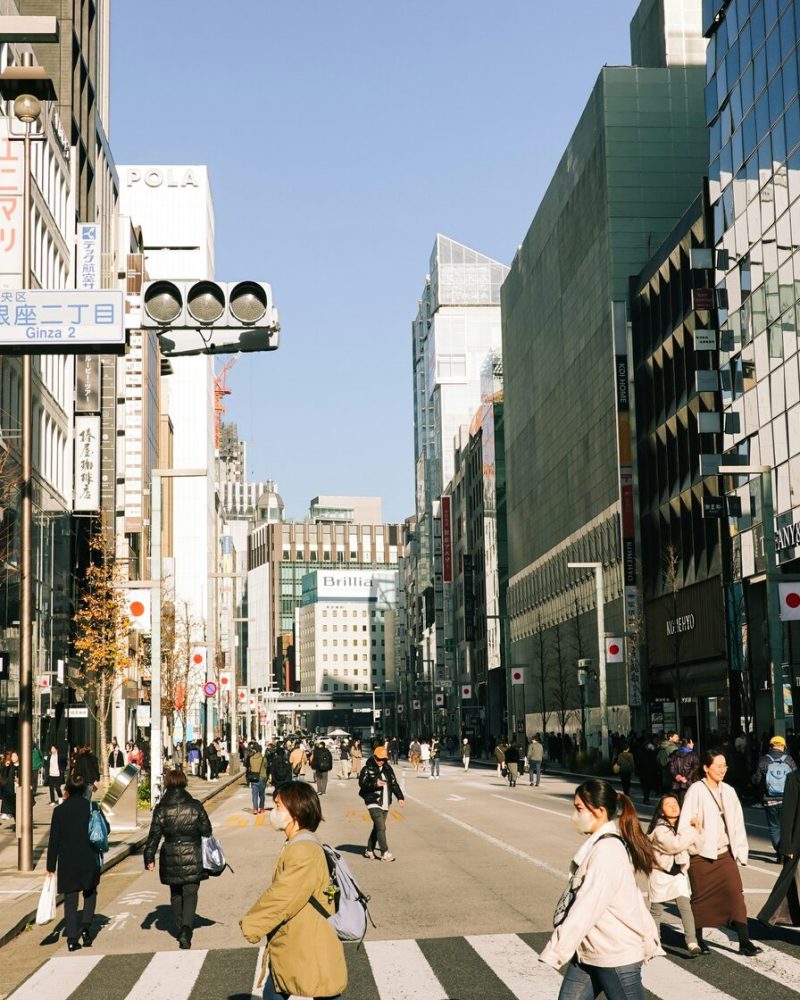
The showcase of Japan: fashion, cuisine and high technology
Hot springs and views of Mount Fuji framed in crimson
Tokyo's timeless quarter — home to the city's oldest temple
Autumn walks beneath fiery maples — Japan at its most poetic
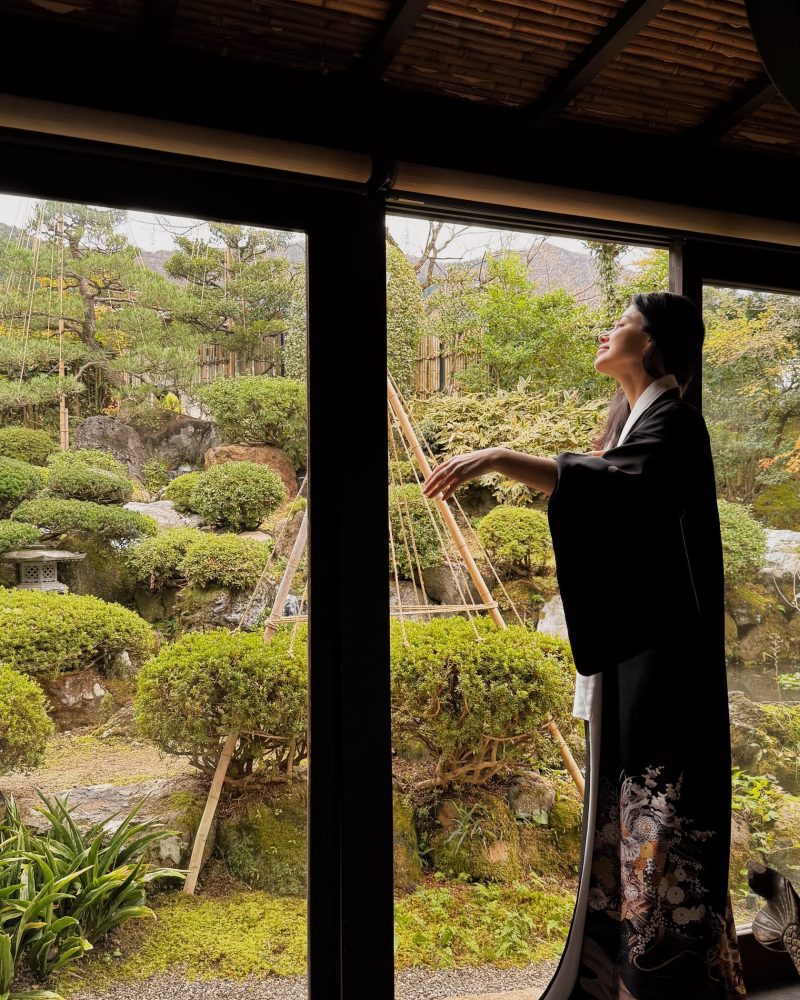
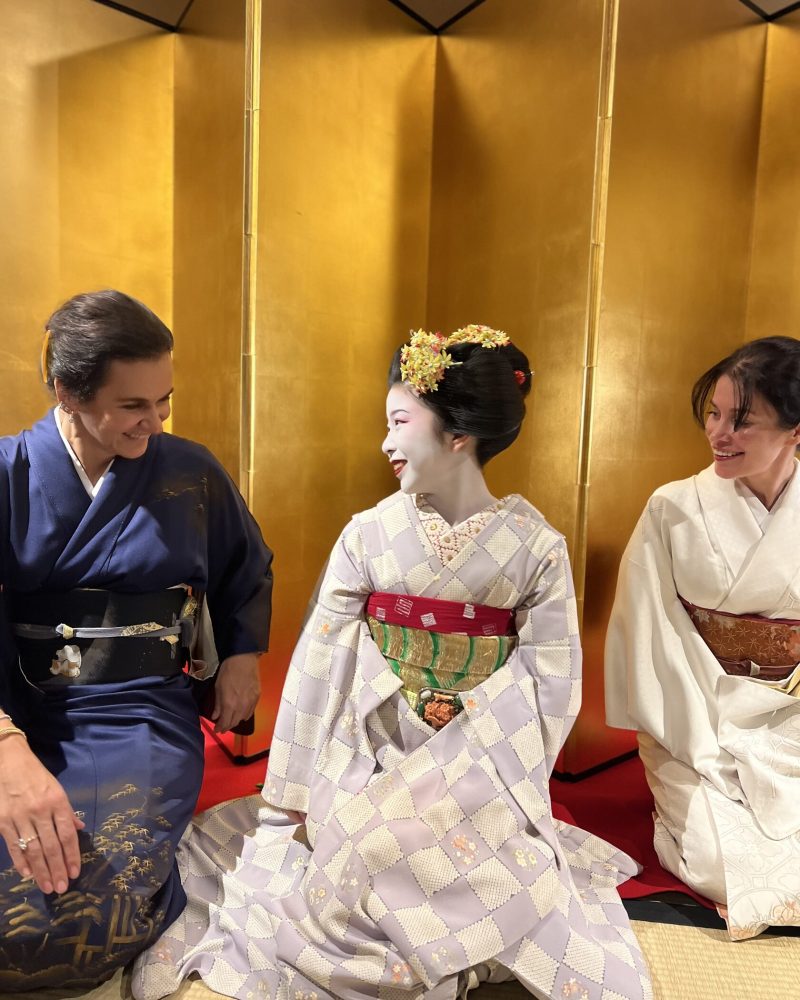
Kimono dinner in the company of a geisha or maiko
Ancient temples, the Great Buddha and lanterns in the forest
Day 1
Arrival. Private transfer. Evening walk in Ginza and dinner at a fine restaurant
Arrival at Haneda or Narita airport. Private transfer to the hotel in a comfortable car. Check-in depending on arrival time.
In the evening, a guided walk in the Ginza district and dinner at a restaurant await you. Ginza is called the showcase not only of Tokyo but of all Japan: here you find everything from high fashion and cuisine to high technology — where both Japanese locals and visitors come for shopping, cafés and fine dining.
Day 2
Historic Asakusa and the old Tsukiji market. teamLab Museum. Dinner at the restaurant
Tokyo city tour. Visit the historic Asakusa district — a preserved area of old Tokyo, home to the city's oldest temple, Sensō-ji, and the shopping street Nakamise, where traditional craft shops have been run by families for generations and street food fills the stalls.
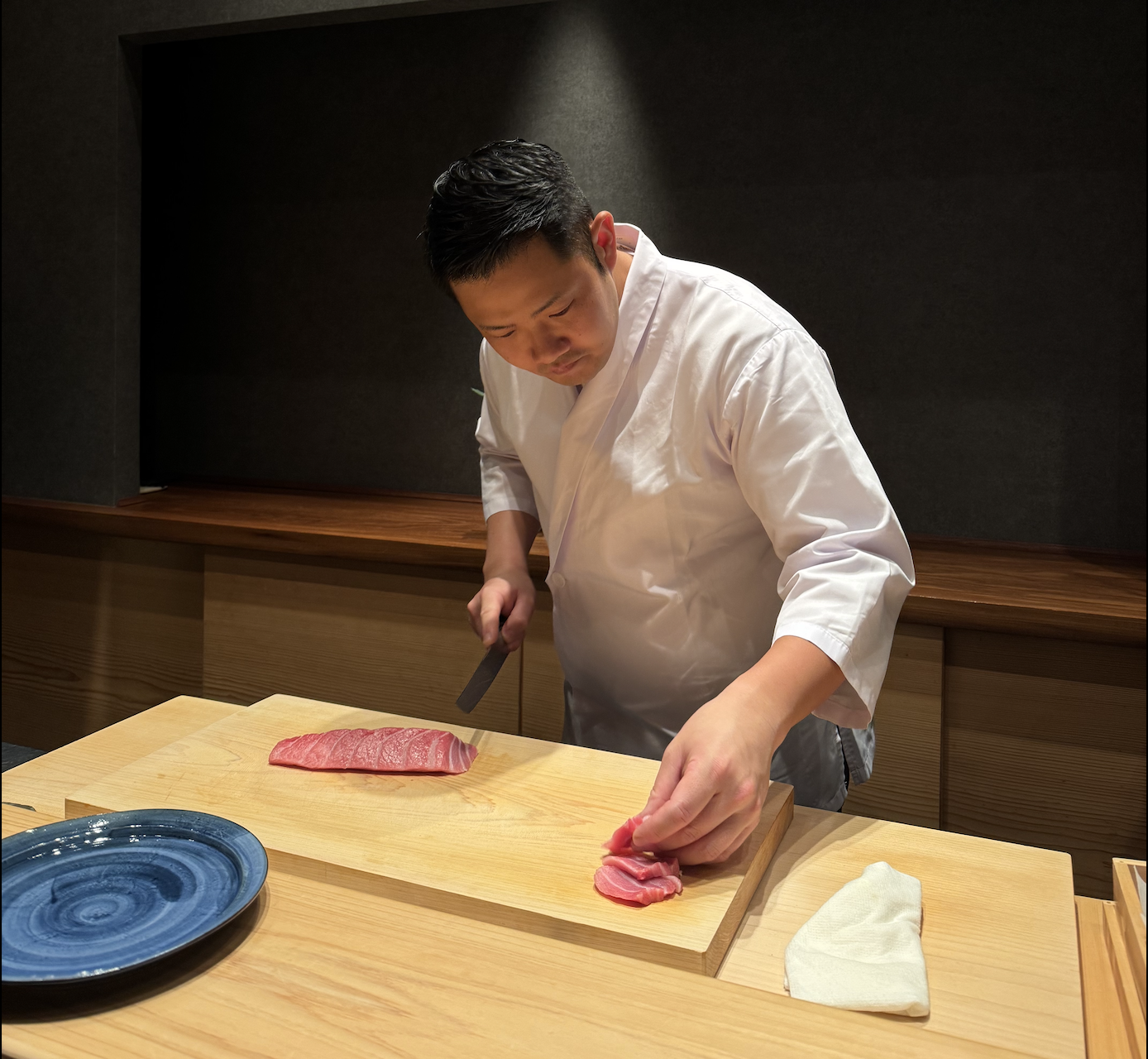
Lunch in traditional style at a small restaurant near the former Tsukiji fish market — stroll through narrow streets, peek into kitchenware shops, and try the freshest sushi, oysters and sea urchin.
Afterwards, visit the interactive teamLab Museum. This unique art project blurs the boundaries between body and artwork — four huge exhibition spaces and two gardens. Return to the hotel for dinner.
Day 3
Hot springs and autumn landscapes. Open-Air Museum. Volcanic valley with black eggs. Ryokan, spa and dinner
Transfer to Hakone National Park by comfortable bus (1 hour 30 minutes). Hakone is a famous resort known for its natural hot springs and stunning views of Mount Fuji — one of the best places to admire the fiery autumn maples, momiji.
Ride the cable car — a 'moving observation deck' — and visit the Open-Air Museum and the volcanic valley with hot spring geysers, a completely surreal landscape created by constant emissions of volcanic gases and steam. Try the 'black longevity eggs,' boiled directly in the hot springs for centuries — it is believed that eating one egg extends life by several years.
Check-in at the ryokan. Spa treatments and rest. Dinner at the hotel.
Day 4
Shinkansen bullet train to Kyoto. Evening walk with a guide and dinner
Shinkansen bullet train from Odawara to Kyoto, travel time 2 hours 20 minutes.
Transfer to the hotel and rest.
Evening walk around Kyoto with a guide and dinner at a restaurant.
Day 5
Tofukuji Temple. Golden Pavilion. Arashiyama bamboo grove. Kimono experience and dinner with a geisha
Kyoto is one of the top destinations for momiji viewing. Visit Tofukuji Temple, home to a garden covering more than 20,000 square metres with panoramic views of the Tsutenkyo Bridge. See the Golden Pavilion and the rock garden of Ryoanji Temple.
After lunch, visit the Arashiyama district, famous for its bamboo grove, and take a traditional boat ride on the Katsura River. The tour ends in the geisha district of Gion, with its tea houses and centuries-old aesthetic.
In the evening — a special cultural experience: try on traditional kimonos and go to dinner accompanied by a geisha or maiko. During dinner, they entertain guests with dancing, singing and traditional table games. A guide-translator will be available to help you understand the magic of this art.
Day 6
Nara's temples, the Great Buddha and sacred deer. Return to Kyoto. Optional Fushimi Inari. Dinner
Transfer from Kyoto to Nara by comfortable bus. Travel time: 1 hour.
Nara became Japan's first permanent capital in 710 and holds exceptional cultural value, with 8 of its sites protected by UNESCO. It attracts visitors not only with its ancient temples and the Great Buddha but also with freely roaming deer that beg tourists for special crackers.
Visit Todai-ji Temple, home to the bronze Great Buddha — its main hall is the largest wooden building in the world. Then Kasuga Taisha Shrine, nestled in the forest, with thousands of stone and bronze lanterns donated by worshippers.
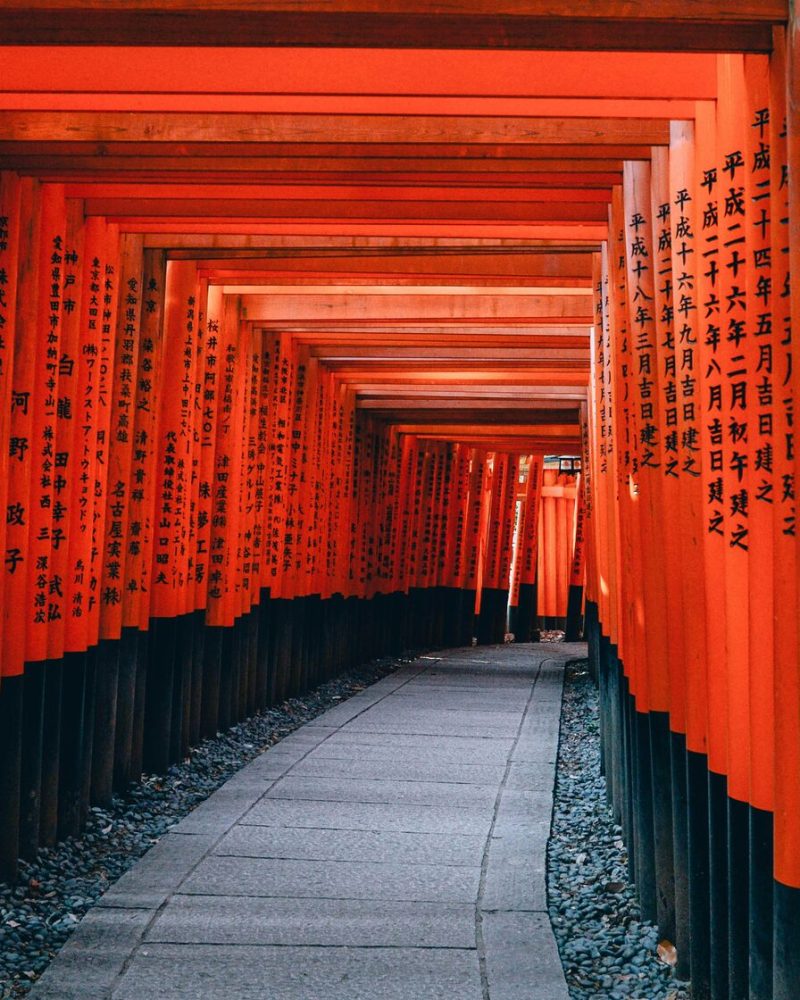
Lunch in Nara. Return to Kyoto. Optional — visit Fushimi Inari, the shrine complex dedicated to the goddess of harvest, with its endless red torii gates. Dinner at the restaurant.
Day 7
Shinkansen back to Tokyo. Free afternoon. Optional Ghibli Museum. Dinner in Tokyo
Transfer from Kyoto to Tokyo by Shinkansen bullet train, travel time 2 hours 20 minutes. Lunch at a restaurant, check-in at the hotel.
Free time for shopping, museums and personal plans. On request we can organize: a vintage shopping street tour, a fashion-hunting tour with a fashion historian, a visit to the fish market with a chef and a Japanese cooking lesson, or a guided day at the Ghibli Museum (tickets are personalized and must be purchased months in advance).
At the Ghibli Museum, see the works of Hayao Miyazaki — creator of My Neighbor Totoro, Princess Mononoke, Spirited Away and Ponyo. Learn about the animation process, see Miyazaki's workspace, sketches and drafts, and photograph the rooftop anime robot from Laputa: Castle in the Sky.
Dinner in Tokyo.
Day 8
Departure home
Breakfast at the hotel.
Transfer to the airport by private comfortable car. Departure home.
Submit a request and we will get in touch to create your travel plan or book your hotel